Benefits that show up on the cutting table and at the window
The ordvienta course is built around practical outcomes: measurement discipline, stable construction, and finishing that stays crisp after hanging. This page explains what you gain, and how each benefit connects to specific workshop decisions—grain alignment, fullness ratios, pressing sequence, and hardware fit.
Disclaimer: This website provides educational training only and does not offer textile manufacturing services.
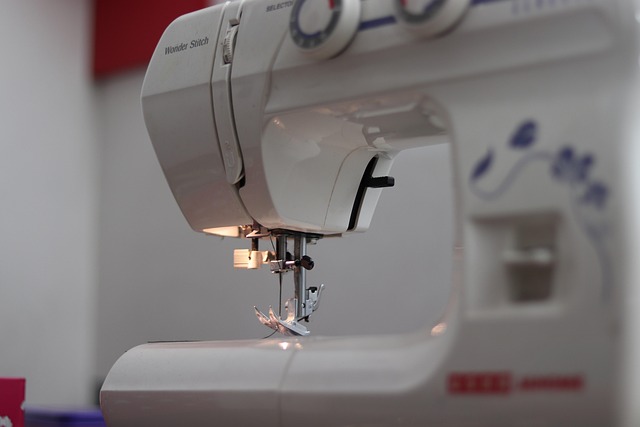
Each module anchors to a deliverable: a worksheet, a sample finish, a checklist, or a constructed panel you can evaluate against clear criteria.
Images show workshop-scale curtain and tulle sewing processes.
Course benefits
Curtain work rewards method. A panel that looks “fine” on the table can drift once it’s hung: hems swing, sheers skew, headers twist, or returns are inconsistent. The benefits below focus on decisions that prevent those problems—without relying on luck. You will learn how to calculate allowances, choose finishing methods based on fabric behavior, and verify hardware fit before final stitching.
The goal is repeatability. That means checklists, pressing checkpoints, and a few unglamorous habits: labeling pieces, aligning grain, testing stitch length on offcuts, and committing to a consistent cutting order. These are the same routines used in small studios because they reduce rework and deliver clean results across different windows and textiles.
Measurement discipline that survives installation
Learn how to translate a real window into a plan: finished drop, header allowance, hem allowance, returns, overlap, and stacking space. The course teaches how to cross-check numbers so panels match as a pair, and how to handle common interior constraints like radiators and deep window reveals.
Cleaner hems, corners, and edges
Practice finishes that look calm up close: double-turn hems, mitered corners, and neat side turns. You will also learn when to add weight, when to keep hems lighter, and how to press for a crisp line without stretching the fabric.
Control with sheer tulle and voile
Sheers can distort with handling. Learn stabilization habits, pin strategy, stitch selection, and feed control so seams stay straight and panels remain square. You will also cover clean edge finishes for transparency without bulk.
A pressing sequence that builds structure
Pressing sets the shape. You will learn when to steam, when to finger-press, and how to avoid shine on synthetic sheers. The course emphasizes checkpoints: press before stitching, press seams open where appropriate, and verify symmetry before final hems.
Hardware-aware planning
Learn how wave tape, tracks, gliders, hooks, and rod rings affect header decisions. You will practice spacing checks and return depth planning so curtains stack neatly and move smoothly without twisting.
A repeatable studio checklist
Build a methodical routine: grain alignment, cutting order, labeling, pressing checkpoints, and final QC. This benefit is simple but powerful—it reduces “almost right” outcomes and makes results consistent across projects.
What these benefits look like in practice
Instead of broad promises, the course leans on observable checks. You will learn how to verify that both panels match in finished drop, that side turns are equal, that hems sit flat without torque, and that header spacing aligns with gliders or rings. For sheers, you will learn how to detect a slight skew early—before it turns into a visible diagonal at the window.
The methods aim for “boring reliability.” That is what makes curtain and tulle work look professional: consistent seam allowances, controlled pressing, and planned interaction with hardware and room constraints.

Want the full outline before you decide?
Send a registration request and we will reply with the next intake details, the program overview, and what to prepare for the first modules. This is an information request, not automatic enrollment.
Disclaimer: This website provides educational training only and does not offer textile manufacturing services.
Register your interest
Send your name and email and we will reply with the next available intake details and a clear outline of what is covered. You will not be enrolled automatically. This is an information request.
What you will gain
The course benefits are practical: fewer measurement surprises, calmer workflow with sheers, and finishing methods that keep their shape once installed. If you want the full module outline, request details and we will send it.
This website provides educational training only and does not offer textile manufacturing services.