Learn curtain and tulle making with studio-grade technique
ordvienta teaches the practical craft behind elegant window treatments: measuring, patterning, pleats, hems, linings, and hanging systems. Lessons are built for steady progress, with methods you can repeat confidently on real interior projects.
Crisp hems, clean corners, and stable headers.
Fullness ratios, drops, returns, and stacking.
Methods suited to modern tracks and rods.
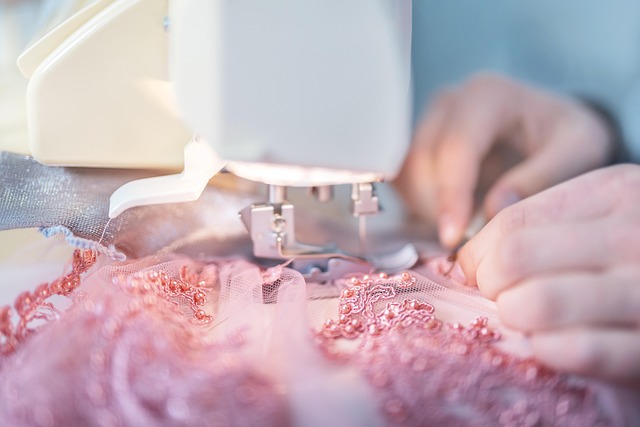
Step-by-step instruction built around repeatable processes: cutting order, seam allowances, pressing sequence, and hardware fit.
Disclaimer: This website provides educational training only and does not offer textile manufacturing services.
What ordvienta teaches
Beautiful curtains and tulle look effortless, but the result is the sum of unglamorous fundamentals: consistent measuring, accurate cutting, stable seam allowances, a pressing sequence that sets the fabric, and hardware choices that match the room. This course focuses on the craft details that make window treatments hang cleanly and wear well. You will learn how to calculate fullness ratios, how to plan returns and overlaps, and how to choose linings and interlinings for weight, drape, and light control.
Lessons cover practical construction for common headings (including wave and pleat approaches), tidy hem finishes, and methods for handling slippery tulle without fighting it. You will also build habits that professionals rely on: labeling pieces, keeping grain straight, testing stitch length on offcuts, and checking symmetry before committing to final seams. The goal is repeatability. Once a method is learned, you should be able to apply it to different window sizes and fabrics without guessing.
ordvienta is an education studio. We provide training only and do not manufacture curtains, tulle panels, or interior textile products for clients.
Measurement that holds up
Learn a practical measuring workflow: finished drop, header allowance, hem allowance, returns, overlap, and stacking space. You will also learn when to re-check measurements after pressing and when to adjust for hardware placement.
Pressing sequence and control
Pressing is not decoration; it is structure. Lessons show when to steam, when to finger-press, and how to avoid shine on synthetic tulle while still achieving crisp folds and stable hems.
Lining and weight choices
Understand how lining changes drape and light. You will compare common linings and interlinings and learn how to attach them to keep the face fabric stable without restricting movement.
Hardware and heading systems
Work with the realities of modern interiors: wave tape, track spacing, gliders, hooks, and rod rings. The course explains how to plan the header so the finished curtains sit correctly when opened and closed.
Handling tulle without distortion
Tulle can shift and stretch if treated like woven cotton. Learn stabilization tricks, pinning habits, stitch selection, and clean finishing for edges so panels stay square and hang evenly.
A repeatable workshop checklist
Build a methodical routine: pre-shrink checks, grain alignment, cutting order, marking, pressing checkpoints, and final quality checks. This is the difference between “one-off success” and steady results.
Course benefits, clearly mapped
The curriculum is designed to translate “nice curtains” into concrete, teachable decisions. Each benefit below links to a specific skill: calculations, construction steps, finishing, and the kind of workshop discipline that prevents expensive rework.
Professional window-treatment structure
Learn how a finished curtain is “built”: header, body, lining, hem weight, and hardware interface. You will practice decisions like fullness ratio, header tape selection, and edge finishing so the piece behaves predictably in daily use.
Cleaner hems and corners
Master tidy finishes that hold their shape: double-turn hems, mitered corners, and weighted hems where needed for drape and stability.
Better control of sheer fabrics
Learn stabilization and feeding habits for tulle and voile so seams stay straight, edges remain square, and panels hang evenly.
Practical workshop setup
Set up your space like a small studio: cutting layout, pressing station, tool order, and checklists that reduce missed steps. The focus is a calm, methodical pace that improves accuracy.
Interior context
Learn what matters on-site: light gaps, curtain pooling, radiator clearance, and alignment with window frames and tracks.
Confidence through process
Build a workflow you can follow on any project: plan, cut, press, stitch, press, check, and finish—without skipping the boring but essential parts.
Learning program
The learning path is arranged as a progression: fundamentals first, then construction, then refinement. Each step is built around a practical output so you can practice deliberately and spot improvement from one module to the next.
-
01
Materials, tools, and fabric behavior
Learn how common curtain fabrics behave under the iron and the needle, and how tulle differs from woven cloth. You will build a small “workshop kit” list and learn why needle size, thread choice, and stitch length matter for clean seams.
-
02
Measuring and planning a window treatment
Work through a planning sheet: finished drop, header allowance, hems, returns, overlap, and fullness ratio. You will learn how to translate room constraints—radiators, window handles, and track placement—into a pattern plan.
-
03
Construction: hems, sides, and lining
Sew a stable curtain body: side turns, hem weights when appropriate, and lining attachment that keeps the face fabric smooth. You will learn how to avoid ripples caused by uneven feed or mismatched shrink behavior.
-
04
Headings and hardware fit
Learn how wave tape, pleat systems, and hooks translate to real hardware. You will plan hook positions, spacing, and return depth so the finished curtain moves cleanly and stacks neatly.
What you practice as you go
- A measuring and calculation worksheet you can reuse for future windows.
- A sample set of hems and corner finishes with notes on when to use each method.
- A clean tulle panel workflow: stabilization, seam control, and edge finishing.
- A header and hardware checklist to confirm spacing, stack, and alignment before final stitching.
This website provides educational training only and does not offer textile manufacturing services.
A small education studio built around careful technique
ordvienta started in 2021 after noticing a repeat pattern in home sewing and interior projects: people could sew straight seams, but window treatments still looked “off” once hung. The missing pieces were almost always the same—measurement discipline, pressing sequence, and hardware-aware planning. The course was built to teach those practical details in a calm, studio-like progression.
The mission is simple: make the craft teachable and repeatable. Lessons focus on decisions you can defend on a cutting table—grain alignment, fullness ratios, header structure, and finishing methods—rather than vague style advice. The outcome is a set of skills that translates across fabrics, rooms, and hanging systems.
Frequently asked questions
Clear answers to practical questions about the course scope, learning pace, and what happens after you send a registration request.
Is this course suitable for beginners?
Yes. The early modules assume you can operate a sewing machine, but they do not assume professional experience. You will start with tools, fabric behavior, and measurement habits, then build up to construction and headings. The course stays practical and avoids vague “design talk” without steps you can execute.
Do you teach both curtains and sheer tulle panels?
Yes. Curtain construction and tulle handling overlap, but they behave differently in the workshop. You will learn stabilization and feeding habits for sheer fabrics, plus clean edge finishes that keep panels square. For heavier fabrics, the emphasis is on structure, lining, and weight distribution.
Does ordvienta manufacture curtains or take custom orders?
No. This website provides educational training only and does not offer textile manufacturing services. The course teaches techniques you can apply in your own workshop or studio setting.
What equipment do I need?
A reliable sewing machine, an iron with steam, measuring tools, sharp shears/rotary cutter, and a large enough surface for cutting. The course also explains optional tools that make curtain work calmer—such as long rulers, pattern weights, and labeling habits—so you can upgrade at a sensible pace.
How do you handle my data when I register?
We use your name and email to respond to your request and provide course information. We do not sell personal data. You can read details about data processing, cookies, and your rights in our Privacy Policy and Cookie Policy.
Register your interest
Send your name and email and we will reply with the next available intake details and a clear outline of what is covered. You will not be enrolled automatically. This is an information request.
Course snapshot
A compact overview of the practical skills emphasized in the course, designed to match the realities of modern interiors and workshop constraints.
This website provides educational training only and does not offer textile manufacturing services.
Want the full outline before you decide?
Request details and we will reply with the program overview and what you should prepare for the first modules. No pressure, no automatic enrollment.
Disclaimer: This website provides educational training only and does not offer textile manufacturing services.